Hosted by Aspen Institute Central Europe
How can the EU and US reduce vulnerabilities and structural dependencies across the industrial, material, and increasingly digital foundations of modern energy systems without triggering economically damaging decoupling, slowing the energy transition, or fragmenting transatlantic coordination? Should these vulnerabilities be viewed primarily as a security issue or an economic competitiveness issue? This roundtable will focus on identifying where dependencies are most acute, what level of exposure is strategically tolerable, and whether US and EU approaches are converging or quietly diverging amid ongoing trade uncertainty. The discussion will touch on emerging markets and alternative partners as potential options for diversification in materials and technologies. It will explore how recent statutes, regulations, trade deals, and new partnership discussions are driving this quest for diversification and for the growth of native industries. And it will provide a sober assessment of the current realities and the obstacles to be overcome to achieve meaningful de-risking.
Hosted by GLOBSEC
Europe’s security environment increasingly demands credible, measurable readiness, as the war in Ukraine continues to expose gaps between political commitments, defence investment, and actual warfighting capability. At the same time, rapid technological change is compressing innovation cycles and challenging traditional procurement and force-generation models. This exclusive format brings together senior policymakers, military leadership, and industry to focus on how Europe can translate intent into deployable capability, with a focus on readiness, industrial capacity, and lessons from Ukraine.
Agenda:
Official Welcome by John Barter, Senior Advisor to CEO, GLOBSEC
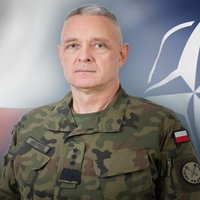
Readiness Under Pressure: Military Priorities in a Non-Peacetime Environment: 1-on-1 Session with General Karel Řehka, Chief of the General Staff of the Czech Armed Forces, moderated by Martin Sklenár, Distinguished Fellow, GLOBSEC
Panel I: Scaling European Defence: From Investment to Deployable Capability
Organized in cooperation with Baryon Investment Fund and Foundation Institute for Eastern Studies
From cruise missiles and hypersonic systems to drones and loitering munitions. As Europe faces rapidly advancing aerial threats, air defence has become a defining element of its security posture. This confidential roundtable will explore strategic priorities, assess operational risks, and consider pathways for building a more resilient and integrated European air defence architecture. It will map current capability gaps and vulnerabilities among European nations, identify the most pressing operational risks, and explore pathways toward a more resilient and integrated air and missile defence architecture. The discussion will focus on improving interoperability and compatibility between NATO, EU, and national systems, including data architectures and command-and-control frameworks. The session will also consider the political, institutional, and financial enablers required to strengthen European air defence. In particular, it will explore how NATO, the EU, and national governments can better align strategies, funding mechanisms, and operational concepts. Finally, the roundtable will aim to define actionable next steps, highlighting priority initiatives that could be advanced within the next 12–24 months and identifying areas for deeper collaboration, pilot projects, or follow-up working groups.
Hosted by GLOBSEC in association with NUKIB (National Cyber and Information Security Agency)
Building on the discussion at the GLOBSEC Forum 2025 and the launch of the Pan European dimension of the Initiative on the Future of Cyberspace Cooperation, this roundtable will focus on practical operational insights across the EU cyber ecosystem to identify critical gaps and areas for improvement. Bringing together a mix of stakeholders, including EU Member State national cybersecurity agencies, EU agencies, industry representatives, civil society experts, and industry partners, the discussion will explore how operational responsibilities are implemented, how coordination functions in practice, and where gaps persist. Participants will share experiences and lessons learned from implementing existing regulatory frameworks as well as an emphasis on how true cyber resilience across the EU can be scaled.
From an operational perspective, how are the EU's expanding cybersecurity regulations (Cybersecurity Act, NIS2, DORA, among others) placed to shape coordination and resilience in practice?
Where does operational cooperation across the EU cyber ecosystem work particularly well today, and what practical barriers still limit effective collaboration?
What are the some of the pressing coordination challenges between national authorities, EU bodies, and private sector partners during cyber incidents?
How are national cybersecurity agencies responding to the changing threat landscape?
Where do capability gaps across Member States most affect collective preparedness, and how can these disparities be addressed?
How can the EU further harmonise cybersecurity practices across Member States to ensure a more consistent level of preparedness and reduce fragmentation in operational approaches?
Where are mandate expansions, such as the one for ENISA in the recent Cybersecurity Act proposal, needed to strengthen the existing EU cyber institutional architecture?
Hosted by GLOBSEC in cooperation with Clean Air Task Force
Central Europe is a critical test case for Europe’s nuclear revival, as ambitious political commitments increasingly confront the realities of delivery. Nuclear power continues to play a significant role in climate policy and energy security, providing 24% of the EU electricity but recent developments have highlighted new constraints, particularly around financing, EU state aid rules, and project execution.
Since last year, while the EU’ ambition for nuclear energy increased, a greater attention has shifted to how large and small projects can be financed, approved, and implemented in practice, including the friction between national strategies and EU-level legal frameworks. In this context, the EU SMR Strategy marks a turning point, calling for an SMR coalition of willing Member States and opening a window for more coordinated approaches to deployment. Strategy and the ongoing debate on the next EU budget illustrate the complexity of moving from planning to delivery.
This session builds on GLOBSEC’s project-level mapping of nuclear developments in Central Europe, assessing their maturity and readiness. The discussion will focus not only on implementation gaps, and bottlenecks, but also on how governments can translate ambitions into real outcomes and make strategic choices, including discussing the emerging role of an orderbook approach—aggregating demand across countries to de-risk investment, enable standardisation, and unlock supply chain scale.
Where are the main gaps between political ambition and delivery capacity?
Are governments implicitly relying on extensions to bridge delays in new build?
How are the current EU financing mechanism rules affecting nuclear project timelines and financing?
Is Central Europe evolving toward a coordinated nuclear cluster, or remaining a set of parallel national projects? Are there opportunities for orderbooks, shared supply chains, workforce, or regulatory cooperation?
To what extent can orderbooks and coordinated procurement models reduce costs, attract financing, and accelerate timelines for both SMRs and large-scale projects?
Hosted by GLOBSEC GeoTech Center
Europe has built the world's most comprehensive AI regulatory framework. But regulation alone does not produce adoption—and without adoption at scale, Europe risks ceding its economicfuture to faster-moving economies. Already, 51% of Europe's highest growth startups are considering relocating outside Europe to scale faster. The sectors that form the backbone of European economies — manufacturing, logistics, healthcare, energy, and public services continue to lag in deploying AI at scale. The barriers are not primarily about technology. They are about howquickly European businesses can move, scale, and compete in a global AI economy where innovation cycles are compressing from decades to months. Skills shortages and other barriers thatburden integration are slowing adoption precisely when speed matters most. With the EU pursues its competitiveness agenda, the priority is to move from diagnosis to prescription, pinpointing the specific policy, procurement, and investment reforms that will determine whether AI reaches Europe's factory floors, hospitals, and public services at scale —and whether Europe capturesthe €191 billion in potential economic value at stake.
Hosted by GLOBSEC, funded by the EU
Democracies and our societies are challenged and are being torn apart by polarisation and FIMI. Citizens are living in increasing contested realties with alleged very little common ground with people with different opinions. In addition, internal grievances, divisions, and low trust in public institutions are being utilised by hostile actors seeking to fragment societies even further. Recent experiences in frontline democracies, including Moldova, illustrate how these dynamics can be deliberately intensified under conditions of geopolitical pressure, directly targeting societal cohesion and democratic resilience. Much work has been done to understand these vulnerabilities and threats and map the cognitive battlefield. Yet a critical question remains: how do we (re-)build and strengthen our societal cohesion and consensus and thus make our societies more resilient?
The aim of this side session is to explore societal resilience in action - from building common values, trust, societal bonds, shared purpose to societal preparedness and resilience. The discussion will highlight practical examples, lessons learned, and approaches that build communities, reconnect and unite (polarised) societies. At its core, the session will explore how societal resilience can become a shared civic practice, strengthening communities’ capacity to withstand manipulation while reinforcing democratic values, trust, and unity.
How do we find common ground and values in polarised societies and unite to meet the myriad crises democracies and our societies face?
How to foster dialogue, inclusion, and consensus-building in fragmented information environments and societies?
What approaches help engage citizens as active participants in resilience?
How can community and resilience-building efforts be sustained across crises?
Organized in cooperation with the Steel Front Foundation
Four years of full-scale war have produced an irreversible shift in how industrial capacity translates into battlefield survivability. Ukraine has built something no NATO member state yet possesses: a live feedback loop between front-line commanders and heavy industry, running in real time, under fire, at scale.
This session examines that model – not as theory, but through three concrete case studies drawn from Metinvest's wartime transformation. Starting from the broadest strategic question – how does a country at war mobilise its industrial base to protect its own soldiers and its allies' equipment? – the session narrows to specific innovations that have already been deployed and tested under combat conditions.
The core argument: effective wartime adaptation is not a matter of defence-sector monopoly. It requires heavy industry, military end-users, and government partners to operate as a single organism with a short decision cycle. Ukraine built that organism under duress. The lessons are transferable – and urgently relevant to every NATO member now accelerating its own defencebuild-up.
Organized in cooperation with Atlantik-Brücke e.V.
The threat posed by drones to critical infrastructure, public events, and military operations is rapidly evolving. In 2025, we saw multiple instances of drone sightings over European civilian airports, often resulting in temporary airport shutdowns. While this for the first time brought drones and hybrid warfare to the top of the European security agenda, drone warfare has been a reality on the Ukrainian battlefield for a long time, forcing Ukraine to ever-faster innovation cycles in drone defense and detection. At the same time, developments in the Indo-Pacific offer valuable insights into the future of drone technologies and countermeasures.
Bringing together experts from industry, armed forces innovation, and regional leadership, this side session aims to highlight cutting-edge solutions in drone detection, tracking, and defense. In the current climate of transatlantic relations, many European leaders emphasize technology independence and European sovereignty. However, some innovations coming from the United States are still indispensable for European security, while partnerships with key Indo-Pacific actors further broaden the landscape of innovation and resilience.
Against this background, the side session aims to discuss with business, military and political leaders if and how transatlantic cooperation alongside increased engagement with Indo-Pacific partners can enhance our collective security in an increasingly interconnected and contested technological environment.
Hosted by Baryon Investment Fund
Russia’s war against Ukraine has fundamentally reshaped Europe’s security environment. Even if the current phase of the conflict evolves, the structural challenge posed by Russia will persist, requiring sustained investment in deterrence and defence. At the same time, uncertainty surrounding the future trajectory of U.S. engagement has accelerated European efforts to assume greater responsibility for their own security. This has translated into increased defence spending and renewed interest in innovative financing mechanisms. However, the central challenge is no longer only about mobilising resources. It is about ensuring that resources translate into relevant, deployable and timely capabilities.
Ukraine provides a critical real-world reference point. The war has demonstrated how rapidly deployable, relatively low-cost and software-enabled systems, particularly unmanned platforms, electronic warfare and integrated battlefield solutions can fundamentally reshape operational outcomes. At the same time, these lessons expose structural weaknesses in Europe’s current approach: slow procurement cycles, fragmented industrial scaling, and limited ability to integrate innovation into operational use. Against this backdrop, financing must be understood not as a standalone issue, but as part of a broader system that connects investment decisions to operational outcomes increasingly informed by battlefield experience.
Hosted by GLOBSEC
Central and Eastern Europe plays a critical role in Europe’s energy security, affordability, and resilience — yet the region’s voice is often missing in European energy debates. The GLOBSEC CEE Energy Council side meeting at the GLOBSEC Forum will bring together energy ministers, policymakers, business leaders, and experts to provide input for a shared regional platform for dialogue, strategy, and coordination. This preparatory meeting is designed to identify common priorities and lay the foundation for speaking with one unified, influential voice on Europe’s energy stage.
Energy systems in CEE are highly interconnected across electricity networks, fossil fuel supply chains, and shared policy interests vis-à-vis the European Commission. As a result, the influence of individual states is constrained relative to coordinated regional action. Fragmented and uncoordinated decision-making risks creating significant economic and strategic costs on the region as a whole.
What common messages, priorities, or policy proposals in Brussels could help the region gain greater visibility and influence in the energy landscape?
What are the most realistic “quick wins” for regional cooperation in the next 2–3 years that could demonstrate the value of a unified CEE approach?
How do CEE countries’ priorities on energy security, affordability, and transition pace differ from those of Western European member states, and where do these differences create friction in EU-level decision-making?
Which areas of energy policy (e.g., market design, state aid, infrastructure funding) most urgently require coordinated regional positions rather than national approaches?
What are the key bottlenecks in cross-border electricity and gas infrastructure, and how can regional coordination accelerate their resolution?
Organized in cooperation with Eurasia Group and PPF Group
As transatlantic relations deteriorate, how should businesses and policymakers respond to competing pressures between global powers, and what does it take to be a “winner” in this geopolitical uncertainty?
The transatlantic relationship is becoming less predictable, with political divergence increasingly shaping economic outcomes. Companies, investors, and policymakers are already navigating competing pressures from global powers, with direct implications for investment decisions, supply chains, and market positioning. The focus is on how actors position themselves in this environment, how exposure is managed, where adaptation is required, and how decisions are made when US–Europe alignment can no longer be assumed.
At the same time, the discussion expands beyond the traditional transatlantic frame to examine less analysed but increasingly consequential actors. The Middle East is increasingly acting as a financial, energy, and investment intermediary in Europe linked flows. The Caucasus and Southeast Europe are emerging as corridor spaces where energy, logistics, and trade routes are being reconfigured, generating both diversification opportunities and new arenas of competition. Within Europe, cities, regions, and other subnational actors are increasingly sustaining investment and economic cooperation where national level alignment between the US and Europe is weakening, maintaining functional linkages across a more fragmented political environment. What does the growing role of these actors mean for transatlantic relationships in practice?
Democracies are confronting a new and rapidly evolving threat. Artificial intelligence is reshaping electoral politics at extraordinary speed — as a tool of disinformation, a weapon of foreign interference, and an instrument of domestic political campaigning. AI-generated deepfake videos, images and audio misrepresenting political candidates and events are already influencing the information ecosystem, making it harder to distinguish fact from fiction, intensifying polarisation and undermining confidence in democratic institutions. Beyond deepfakes, a new frontier is emerging: from the first documented case of a registered political party paying for content from an AI-generated influencer, to AI-generated deepfakes showing celebrities endorsing opposition parties, to synthetic campaign personas operating at scale across social media.
Yet the disruption does not stop at the ballot box. AI is simultaneously transforming labour markets, public services, and the very fabric of how societies function. The gap between technological change and public policy responses is widening, and democratic institutions are feeling the strain. Drawing on frontline experience from across the globe, the discussion will explore both the nature of the threats and practical responses: technical, legal, civic and diplomatic.
How are AI-generated personas and synthetic campaign content changing electoral politics — and who bears responsibility for regulating them?
How do we close the gap between the speed of AI-driven disruption and the pace of regulation across electoral, labour, and public policy domains?
What does AI mean for the future of work, and how should governments respond to protect economic security and social cohesion?
Are our education systems equipping citizens — as voters, workers, and participants in democracy — with the skills and literacy they need for an AI-shaped world?
What technical standards and platform obligations are needed to give voters reliable tools to identify what is real?
How can AI itself be harnessed as a protective force — enhancing transparency, detecting manipulation at scale, and supporting democratic integrity?
Hosted by GLOBSEC
Presentation of the GLOBSEC CEE Her Report: From Access to Impact: Bridging the Gender Gap in AI and Digital Transformation across Central and Eastern European SMEs.
AI integration and technological uptake are no longer optional - they are the primary vehicles for efficiency, innovation, and competitive advantage. Yet evidence consistently shows that under-investing in women across research, governance, and entrepreneurship stifles a nation's total competitive potential. Inclusive digital transformation is not a social goal; it is an economic necessity. This CEE Her breakfast roundtable brings together business leaders, policymakers, and experts to examine the reality gap between the perceived and actual potential of digital transformation- and how gender shapes it. The discussion is complemented by the launch of GLOBSEC's latest CEE Her publication: From Access to Impact: Bridging the Gender Gap in AI and Digital Transformation across Central and Eastern European SMEs, drawing on original empirical data from Czechia, Austria, Slovakia, and Bulgaria to identify gender-specific barriers and provide actionable recommendations for policymakers, business associations, and civil society.
What is the gap between the perceived and actual adoption of digital tools in businesses today?
What practical hurdles continue to stifle digital transition, and how do these differ for women?
What roadmap could accelerate inclusive digital transformation in support of a resilient European economy?
Hosted by GLOBSEC Kyiv Office
Presentation of GLOBSEC's report "Seven Security Scenarios on Russian War in Ukraine for 2026-2027"
As one of the signature GLOBSEC analytical foresight products since 2022, this iteration on Security Scenarios on Russian War in Ukraine will provide with an aggregated experts' assessment of the security landscape in Europe for next two years. Where will the world be driven – to peace settlement and cessation of hostilities in Ukraine or to prolonged war of attrition? Would we praise the US mediation efforts for a sustainable peace or treat them as a timebomb for next Russian attack on Ukraine in case of unfavorable terms imposed on Ukraine under coercion? Will we see Europe re-establishing itself as an important and influential global player and keeper of strategic stability on the continent, or will it become a silent outsider when Europe’s security architecture will be redefined?
These and other relevant questions reflecting negotiating dynamics will be addressed by a highly competent panel of experts, both from Ukraine, Europe and the US.
The panel will look into emerging seven security scenarios suggested for analysis: ‘Dusted by Ashes of Other Wars’, ‘No War, Nor Peace-Prolonged Limbo State’, ‘Gaining, but not Winning: Cumulative Operative-Tactical Advantage of Russia’, ‘Dragging Conflict: Exhaustion War with Internal Tensions and External Compensations’, ‘Cursed Peace: a Peace Agreement Toxic for Security in Europe’, ‘Living Unhappily After (Minsk Accord’s Phantom): Strategic Ambiguity Peace Settlement’ and ‘Seizing Momentum: Ukraine Gears Up on Internal Resources and Captures Opportunities Externally to Achieve its Strategic Advantage over Russia’.
Hosted by GLOBSEC in cooperation with Trusted Future and Ilvesa Foundation
Cybersecurity has never consumed more resources or delivered less certainty. Spending is rising, regulation is expanding, and awareness has never been higher. Yet incidents grow, financial losses increase, and AI is fundamentally changing what attacks look like, how fast they move, and who can launch them. This private breakfast discussion continues a conversation launched at MSC in February 2026 by Trusted Future and CEPA. The aim of this series is to move the European cybersecurity discussion from reporting failures to building operational resilience.
Hosted by GLOBSEC in cooperation with Armed Conflict Location & Event Data
Since Russia's full-scale invasion of Ukraine, the Nordic-Baltic space (Scandinavia, Baltic states, Poland) has become Europe's most active hybrid frontline. Sabotage, drone incursions, arson-for-hire, GPS jamming, the recruitment of criminal and deniable proxies, and FIMI now form a persistent, interlocking pattern of sub-threshold activity, with incident density higher here than in any other European sub-region. A defining feature of this landscape is outsourcing: hostile states increasingly extend reach and preserve deniability by contracting criminal networks and third-country nationals recruited online — a heterogeneous pool that spans Russian-speakers in the Baltics, Ukrainians in transit, Telegram-recruited locals, and nationals from further afield, including the Western Balkans.
The side session brings together two complementary evidence bases. The first, anchored in ACLED's conflict tracking and analysis, maps how sub-threshold tactics are evolving across the Nordic-Baltic region — what patterns are emerging, how operations are shifting in scope and strategic purpose, and how EU and national responses are keeping pace. The second, drawing on GLOBSEC and ICCT research on digital recruitment, illicit ecosystems, and criminal-proxy dynamics, provides comparative framing from the Western Balkans on how hostile actors weaponise Europe's digital and criminal landscapes to source deniable operational capacity.
How hybrid threats in the Nordic-Baltic space are evolving in scope, diffusion, and strategic purpose
The outsourcing and deniability dynamic — how hostile states rely on criminal networks and third-country nationals recruited online — with comparative insights from GLOBSEC/ICCT research on the Western Balkans
Policy responses at the EU and national level, including Germany's evolving defence policy role and its potential contribution to shaping collective responses to persistent hybrid threats;
The indispensable role of public–private partnerships in improving real-time anomaly detection, and strengthening secure information-sharing between industry, law enforcement, and EU institutions.
Organized in cooperation with Journalists for Human Rights
As Russian and Belarusian authorities escalate their campaign of transnational repression, targeting opposition leaders, journalists, and human rights defenders in exile, European, Canadian, and allied democracies must respond with equal resolve to protect those most vulnerable. Authoritarian regimes deploy a broad toolkit of coercion designed to silence dissent well beyond their borders. These operations threaten not only individual freedoms and political pluralism, but also the security and democratic sovereignty of allied nations.
At this critical juncture, transnational repression is not only a human rights issue – it is a strategic challenge to democratic resilience. Addressing it requires a coordinated response combining awareness, protection mechanisms, and international cooperation. In response to these challenges and their implications for European and Canadian human rights commitments, this session will also serve as a platform to sign a declaration establishing a Global Alliance Against Transnational Repression.
This session will convene key stakeholders – including diplomats, policymakers, civil society leaders and journalists – to cultivate a shared understanding of the evolving threat landscape and identify strategies to deter and disrupt repression beyond borders.
How can awareness of transnational repression and its impact on vulnerable communities in Europe and Canada be raised?
What policy responses can address transnational repression and its human rights implications?
How can international cooperation be strengthened to coordinate countermeasures and support collaboration among NGOs, journalists, and advocacy groups?
Hosted by Hanns-Seidel-Stiftung
The EU Single Market is built on four freedoms, but they do not operate equally in practice. The free movement of goods works relatively well, the free movement of persons largely functionsbut remains politically sensitive, and capital is legally free yet still fragmented across national systems. Services, which make up the bulk of the EU economy, remain the Single Market’s biggest gap, as divergent rules limit firms’ ability to scale across borders and may weaken Europe’s global competitiveness. While the EU performs relatively well in supporting startups, it underperforms in creating the conditions for scale-ups to expand across Member States, often leaving them nationally focused or prompting expansion outside the EU.
To strengthen the Single Market, the EU may need to further reduce regulatory fragmentation, better enable cross-border business activity, and unlock private scale-up investment. In this context, the proposed 28th regime aims to create a voluntary EU-wide legal framework to simplify company formation and operations, potentially easing cross-border service provision, though its uptake, scope, and political feasibility remain uncertain. On the capital side, initiatives such as the Savings and
Investment Union seek to reduce fragmentation and improve cross-border flows, but can even the digital euro go further in unifying Europe’s financial system and strengthening the free movement of capital across the Single Market? Where are current policies heading, and when might we see tangible results, not only on paper, but in practice?
What is the main weakness of the EU Single Market today?
Can the proposed 28th regime realistically reduce legal barriers for businesses, and would it have real economic impact and political support?
What policies would you propose - especially in the free movement of services and capital - to make the Single Market fully functional?
Organized in cooperation with Think Tank EUROPA and DEUSS
Active industrial policy has emerged as the European Commission’s central response to mounting challenges related to competitiveness, decarbonisation, and defence. Yet, the first wave of initiatives remains heavily skewed towards legacy industries, relies primarily on relaxed state aid rules, and faces challenges in mobilising sufficient private capital due to fragmented capital markets and limited financial instruments for strategic, capital-intensive sectors. This side session will convene a high-level discussion on how to design a European industrial policy that genuinely unlocks innovation, strengthens European resilience, and ensures that investment frameworks effectively support both industrial and defence scale-up.
Bringing together leading European voices from clean tech, digital technologies, and defence, the session will explore which technologies the EU should prioritise to reinforce its global agency, which policy tools best support innovation in fast-moving and capital-intensive sectors, and how financial frameworks can mobilise private capital for strategic mid-sized enterprises. In this context, the session will also highlight emerging models such as the DEUSS (Digital Euro-denominated SME Securities) project, developed in cooperation with the European Commission and Member States, which leverages blockchain infrastructure to issue and trade digital bonds for SMEs. By reducing market entry barriers and channeling private savings into strategic sectors – including the defence – such approaches point to innovative pathways for strengthening Europe’s financing and industrial capacity.
The side session will provide an opportunity to take stock of the Commission’s progress across key policy agendas, with a special focus on the EU’s industrial policy and investment policy for defence.
Hosted by GLOBSEC
Presentation of an upcoming publication Building Competitiveness through Transition: The Case of the Czech Automotive Sector.
Industrial economies are undergoing structural change driven by shifting demand, rapid technological progress, and intensifying global competition. This session explores how these dynamics can be addressed through pragmatic, growth-oriented strategies that strengthen competitiveness and resilience.
Grounded in extensive research, including interviews, expert consultations, and focus groups, the discussion features the Czech automotive sector as a case study. With automotive accounting for a tenth of GDP and a fifth of exports, this case study highlights both risks of delayed adaptation and opportunities from proactive adjustment - particularly in the absence of an updated national strategy since 2017.
Focusing on energy, R&D, labour, and EU regulation, the session examines how policy can support industrial renewal. The core argument: adapting to these shifts is complicated, but it is a necessary step to sustain long-term growth.
What would “success” look like for the Czech automotive sector in 10 years and are we currently on that path?
Are Czech suppliers structurally trapped in low-margin positions, or can they realistically move up the value chain?
Is energy policy now industrial policy? Are we treating it that way?
Where do pragmatic, pro-growth arguments for industrial transformation resonate most?
What lessons from the automotive transition apply to other sectors?
Organized in cooperation with SME
Russia has systematically deployed a wide spectrum of influence operations aimed at weakening the cohesion, trust, and democratic integrity of countries. These efforts go far beyond traditional propaganda, encompassing coordinated disinformation campaigns, cyber-enabled interference, covert funding networks, and the weaponisation of emerging technologies such as AI-generated content and other hybrid attacks.
While election periods have become prime targets, with intelligence-linked operations amplifying polarising narratives, undermining trust in electoral systems, and supporting fringe or extremist actors, information operations and disinformation ecosystems as Pravda Network or Doppelganger have been active for years. AI-generated disinformation and automatization have made it increasingly difficult for citizens to distinguish fact from fiction while coordinated campaigns across platforms rapidly disseminate tailored narratives.
This side session will examine the architecture, methods, and impact of Russia’s FIMI campaigns across Europe, while also identifying practical responses to enhance resilience. It will bring together policymakers, analysts, and practitioners to share insights and lessons learned from across regions, particularly those on the frontline of hybrid threats.
How vulnerable are democracies to foreign malign influence?
How are emerging technologies as AI used in modern influence operations?
How can we better protect elections and democratic processes and what measures need to be taken?
What coordinated responses - at EU, national, and societal levels - can mitigate these threats and strengthen democratic resilience?
Hosted by GLOBSEC GeoTech Center in cooperation with DIGITALEUROPE and Swedish Ministry of Foreign Affairs
Europe's critical infrastructure is becoming a new frontline of modern conflict. Energy systems, transport networks, data centres and digital infrastructure are strategic targets for hybrid attacks aimed at disrupting societies without triggering open military confrontation.
Recent conflicts demonstrate how cyber operations, physical sabotage and emerging technologies can exploit vulnerabilities across borders. From the Middle East to the war in Ukraine and incidents across Europe, adversaries are testing methods that blur the line between cyber and physical disruption.
Europe has developed policies and frameworks to strengthen resilience, yet the threat environment is evolving faster than the systems designed to protect it. The challenge is no longer primarily regulatory, it is operational: how quickly governments, operators, industry and technology providers can detect, absorb and respond when critical systems are under attack.
This roundtable will explore how Europe can move from frameworks to frontline protection, examining how public–private cooperation, faster innovation cycles and initiatives such as the Priority Capability Area on drones and counter-drones can accelerate the deployment of protective capabilities.
When infrastructure becomes part of the battlefield, how can governments, operators and industry coordinate effectively? What does cross-border resilience look like in practice?
Attacks unfold in minutes while protection systems react in hours. What capabilities and lessons from Ukraine and recent conflicts can help close this gap?
Europe has strong regulatory frameworks but deployment remains slow. How can technology hubs and "test-before-invest" environments accelerate operationally deployable solutions?
Hosted by GLOBSEC in cooperation with PPF Group
For decades, the pendulum of international affairs swung toward soft power: values, narratives, and the quiet currency of national reputation. Today it has lurched the other way — hard power is back, transactionalism is the new lingua franca of statecraft, and figures like Donald Trump have made open contempt for goodwill and values-based diplomacy a defining political style. Yet in marketing, retail, and business, no serious executive would dispute that brand and goodwill carry measurable value — so why should that logic stop at the border of foreign policy? The discussion will focus (not only) on the brand of the United States, how American values can still be communicated in the era of Trump, and whether the changes he is driving are reversible or already locked in. This closed-door conversation asks where the honest calibration lies between hard leverage and reputational capital, and what governments quietly forfeit — in investment, alliances, and convening power — when they let their national brand erode.
Organized in cooperation with Association for International Affairs
Organized in cooperation with the European Union Institute for Security Studies and European Forum Albach
Europe’s security environment has entered a phase of sustained confrontation. Russia’s war against Ukraine, persistent hybrid attacks, sabotage operations, and large-scale information manipulation demonstrate that modern conflict targets societies before it targets territory.
At this critical juncture, deterrence is not only a question of military capabilities, procurement cycles, or force posture - it is equally a question of whether societies can absorb shocks without strategic paralysis. The credibility of European security rests on three interlinked dimensions: military readiness, societal resilience, and collective resolve. Military readiness concerns the ability to generate and sustain combat power, including mobilisation, logistics, and stockpiles. Societal resilience reflects trust in institutions, social cohesion, resistance to manipulation, and the capacity to maintain democratic functioning under stress. Collective resolve captures the ability of political systems to take difficult decisions and sustain public support in moments of acute pressure.
How can psychological preparedness, civic education, reserve structures, and civil defence mechanisms be strengthened alongside military readiness?
How can “total defence” concepts and whole-of-society approaches reinforce deterrence credibility?
What do Europeans need to do to Europeanise deterrence and make it credible?
Hosted by GLOBSEC
Europe is not failing to innovate; it is failing to deliver. Patients wait an average of 578 days for new therapies, while access to diagnostics and digital innovation remains highly uneven. Only 46% of innovative medicines are available across the EU, and delayed diagnosis and slow digital uptake continue to undermine outcomes. Supply resilience is increasingly tied to sovereignty, while affordability has become a test of political credibility.
The disparity is stark: the best systems turn innovation into patient access in ~4 months, while others take up to 840 days. To address this, the EU is advancing a broader Pharmaceutical Package that combines the Biotech and Critical Medicines Acts, alongside the new HTA Regulation and the European Health Data Space to streamline access, improve care, and strengthen research.
From a health economics perspective, this is a structural inefficiency. Europe can no longer choose between scientific progress and basic availability. Aligning payers, regulators, and industry around shared goals will be critical.
Why are patients across Europe still waiting so long for access to innovative medicines and diagnostics?
How can Europe speed up reimbursement and HTA processes without putting unsustainable pressure on national budgets?
Is the European Health Data Space moving fast enough for Europe to stay competitive in an AI-driven healthcare system?
What should the EU prioritize next to improve access, resilience, and long-term health outcomes?
Organized in cooperation with the Regional Cooperation Council (RCC) and ELIAMEP
The European Union cannot achieve true strategic autonomy while its neighborhood remains fragmented and exposed to external influence. In addition to geopolitical risks to stability in the Western Balkans and across South East Europe, depopulation, youth emigration, and limited economic opportunities continue to erode resilience from within.
European Union Enlargement and closer regional integration offer a pathway to addressing these challenges. By aligning candidate economies with EU priorities in areas such as energy, connectivity, and investment, integration can generate tangible economic opportunities, strengthen public services, and improve living conditions—directly improving human security and demographic trends.
At the same time, deeper cooperation enhances Europe’s broader resilience. From more secure supply chains to joint crisis management and preparedness against hybrid threats, enlargement serves as both a stabilizing force for societies and a strategic asset for the EU. Delivering results will require clear prioritization, credible incentives, and stronger links between reforms, economic opportunities, and long-term security gains.
In what ways can regional cooperation deliver tangible benefits that improve people’s sense of security and future prospects?
What approaches enable cooperation frameworks to deliver visible benefits for people in South East Europe while sustaining reform momentum on both sides?
How can regional cooperation support both economic convergence and human capital retention before full EU membership?
Which policy areas offer the greatest potential for joint endeavour and resilience-building leading to Europe’s strategic autonomy?
Organized in cooperation with the New Strategy Center
The Black Sea is a battlefield, where Russia constantly attacks Ukraine’s ports, both on the seacoast and along the Danube. Floating mines and electronic warfare, which disrupts vessel communications, pose a major threat to civilian shipping. Around 20% of Russia’s shadow fleet still uses the Black Sea as a launch platform for oil exports.
Ukrainian naval and aerial drones have managed to destroy a significant part of Russia’s fleet, this asymmetric approach offering lessons that should be applied to the defense of other enclosed seas.
The Black Sea is about energy routes, vast gas resources, and connectivity projects. It is the gateway for Ukrainian grain exports to global markets, on which hundreds of millions of people in Africa and Asia depend. The Black Sea is also crucial for Europe’s energy independence, with Romania set to become the EU’s largest gas producer by 2027, as it begins exploiting gas from its Exclusive Economic Zone in the Black Sea.
What does the day-to-day confrontation between Ukraine and Russia in the Black Sea look like? What is NATO’s military posture in the region? How does the United States use its bases in Romania to project power into the Middle East? Which decisions emerging from negotiations between Russia and the United States could affect regional security? And what will the Black Sea look like after a peace agreement is reached?
Organized in cooperation with Sinopsis
As strategic competition intensifies across the Indo-Pacific, regional security dynamics are being reshaped by evolving alliances, economic interdependence, and emerging military challenges. The countries in the region are navigating a rapidly changing geopolitical environment marked by great-power rivalry, technological competition, and maritime tensions. There is a significant need to look for balance between deterrence, diplomacy, and regional cooperation in maintaining stability and prosperity across the region. In this uncertain setting, the attention should be given to the role of middle powers, defence partnerships, and the impact of shifting U.S.-China relations on regional decision-making.
How are the countries from the region adapting their security and foreign policy strategies in response to growing regional tensions?
What role should regional alliances and multilateral institutions play in preserving stability in the Indo-Pacific?
How might economic interdependence with China shape the strategic choices of Indo-Pacific nations?
What are the most effective avenues for balancing deterrence, diplomacy, and regional cooperation in the coming decade?
Hosted in Kunsthalle - registration available
Artistic perspectives can inspire new thinking about Europe’s future in an era of technological disruption, geopolitical competition, and societal transformation. Artists often interpret emerging trends and tensions earlier than policymakers and business leaders. By bringing together artistic imagination and strategic policy thinking. Set within the unique environment of Kunsthalle, the discussion will combine artistic presentation with high-level dialogue, offering participants a different perspective from the traditional conference format.
Discussion will last form 15:00 until 16:30 followed by a 30 min networking session.
Departure from Hilton to Kunsthalle Praha at 14:25 (GLOBSEC Shuttle). Return to Hilton from Kunsthalle at 17:00.
Organized in cooperation with The Hague Centre for Strategic Studies
Europe’s geoeconomic instruments have become integral to its security and global standing within an international environment characterised by systemic competition, economic coercion, and the heightened vulnerability of critical supply chains. The adoption of the Anti-Coercion Instrument (ACI), the successive sanctions packages against Russia and other actions illustrate a necessary change in approach.
However, the EU has not always been able to effectively translate its economic power into geopolitical influence. From persistent internal coordination challenges and concerns over escalation to the need to manage key partnerships, especially transatlantic relations, the geoeconomic toolkit has not been used as effectively. This has direct consequences for European security: when economic instruments cannot be mobilised effectively, the Union’s ability to respond to coercion, reduce strategic dependencies, and shape the behaviour of external actors is weakened. These dilemmas are particularly acute for Central and Eastern European countries, where exposure to both economic pressure and hard security risks is especially pronounced.
Europe now faces a series of strategic choices about whether and how to prioritise economic security over market openness, as well as how to clearly calibrate coercive and defensive instruments without undermining alliances. In this context, how can the EU translate its geoeconomic power into consistent geopolitical influence in a fragmented environment, characterised by trade conflicts, renewed industrial policy and protectionism.
In an era of global fragmentation, can the EU successfully yield its economic weight to secure geopolitical influence? What are the opportunities and the threats?
How can the EU prioritise its geoeconomic instruments while managing escalation risks and safeguarding transatlantic and other strategic partnerships?
Which three actions should the EU prioritise over the next 12–18 months to strengthen the credibility and effectiveness of its geoeconomic statecraft?
Hosted by GLOBSEC GeoTech Center in cooperation with Stichting European Initiative for Energy Security
Europe's overreliance on external suppliers for critical raw materials poses a direct threat to its defence-industrial base and strategic autonomy. Closing this vulnerability demands a whole-of-supply-chain approach to innovation: recycling domestic scrap and end-of-life materials remains the most immediate lever, with aerospace and defence representing the highest-value frontier despite their demanding regulatory and quality requirements; but primary supply innovation through AI-enabled optimisation and recovery from tailings, demand-side shifts toward lower-CRM technologies, and material substitution in defence platforms are equally essential. No single solution is sufficient — but together, and supported by the right regulatory alignment, procurement frameworks, and public-private investment, they can transform Europe's CRM vulnerability into a strategic advantage.
The discussion will draw on EIES's upcoming paper, "Plowshares into Swords: Tackling Barriers to Defence Critical Material Recycling," and the GLOBSEC GeoTech Center report, "The Innovation Imperative: Bridging the Supply–Demand Gap for Critical Raw Materials by 2030," to explore how broader technological innovation and circular economy can yield a hard security asset. The goal: concrete recommendations to remove barriers, mobilise capital, and fast-track these innovations into Europe's defence supply chain.
Which critical material dependencies pose the greatest risk to European defence, and are the innovative levers available today sufficient to address them in time?
What kind of cooperation between governments, industry, and technology providers is needed to accelerate innovation and investment across the critical materials value chain?
What regulatory and financial frameworks does Europe need to turn recycling and supply innovation into reliable defence-grade inputs?
Organized in cooperation with the International Center for Ukrainian Victory
Russia’s war against Ukraine has redefined modern warfare. Advanced military systems can now be neutralized in minutes by low-cost drones, which can also disrupt critical civilian and military infrastructure. This technological shift demands that Europe adapt to the wars of tomorrow rather than prepare for the wars of yesterday. Ukraine’s resilience and battlefield innovation have transformed it from a security consumer into a credible security provider for Europe. Its innovative defence solutions offer key lessons in strengthening European security, especially in the broader battle between democracy and tyranny.
Yet, Europe’s response is hindered by slow procurement, outdated policies, and a peace-time mindset. As Russian aggression escalates, backed by China and Iran, Europe must modernize its defence architecture and deepen partnerships with Ukraine.
This closed-door session will explore Ukraine’s evolving role in Europe’s security architecture and identify joint actions to enhance EU–Ukraine defence cooperation, ensuring Ukraine’s victory and building a sustainable peace in Europe. The discussion will be based on the recently published ICUV&ANTS paper Stronger Europe, United Front – Europe's Security is Being Decided in Ukraine.
Organized in cooperation with NATO Strategic Direction-South HUB. This discussion will be held under the Chatham House Rule.
Since October 2023, Israel’s military campaigns have fundamentally altered Iran’s proxy network – commonly referred to as the “Axis of Resistance” – in terms of capacity and capabilities. Hamas has been strategically degraded from a governing entity to a fractured insurgency, while Hezbollah, once the network’s primary proxy, has shifted toward a decentralised command structure following the decapitation of its senior leadership. This degradation of the Levant front has forced Tehran to increasingly pivot toward the strategic periphery of its network, specifically the Houthis in Yemen and the militias across Iraq.
As the deterrence of the Axis thins, Iran is increasingly forced into direct confrontation, as seen in the recent conflicts with Israel and the US. Moreover, the distribution of influence across the network has substantially shifted, increasing the uncertainty over the future configuration of the Axis and its relationship with Tehran. Nonetheless, while the network is structurally diminished, it remains an influential factor that will impact security and geopolitical dynamics across the Middle East and beyond.
Amid this regional recalibration, how will certain security vacuums affect the landscape in countries like Syria, Lebanon, and Iraq? Will this degradation reinforce competition between/among proxies, and will it also enhance permissive environments for violent extremist organisations and terror groups?
Organized in cooperation with the Gulf Research Center
The EU has been active in liaising and expressing support with the GCC States during the US-Israel war with Iran. The high-level meetings with leaders from Middle East countries, along with the EU-GCC Ministerial, served as platforms for dialogue and coordination.
The EU-GCC partnership built over the past years has showcased its value, and despite the regional situation continuing to be volatile, there is an opening to build on this engagement. The current crisis provides an opportunity, even an imperative, for extensive and constructive collaboration between the EU and the GCC states to begin forging a more stable regional order rooted in diplomacy, economic interdependence, security cooperation, and adherence to the multilateral rules-based international order.
The discussion will convene high-level policymakers, analysts, and practitioners from the EU and Gulf states to explore how both regions can reshape cooperation and move into a forward-looking, structured partnership.
What shared strategic interests do the EU and GCC states have in the aftermath of the Iran war?
How has the war altered the strategic calculations of GCC states vis-à-vis the EU?
How can the EU and GCC countries enhance cooperation on maritime security issues, air and missile defence, and protection of critical infrastructure (ports, desalination, LNG, undersea cables)?
How can the EU and GCC countries leverage their economic and investment partnerships for stability?
How can the EU and GCC states jointly strengthen energy security?
What short‑term deliverables could build momentum toward a structured partnership?
Hosted by GLOBSEC
Europe’s information environment is increasingly shaped by competing narratives that exploit societal divisions, weaken trust in institutions, and influence public debate across borders. Research from Central Europe, the Black Sea region, and Western Europe shows that these narratives travel quickly, adapt to local contexts, and often draw on shared emotional triggers. Findings from CEDMO, BROD, and NARDIV illustrate how narrative clusters evolve, how they appeal to different audiences, and how online interactions, especially in comment spaces, reveal deeper societal tensions. Although national contexts differ, several common vulnerabilities are emerging. These include polarising themes that target democratic processes, narratives that question institutional legitimacy, and content that reshapes public perceptions of international developments. The spread and impact of these narratives highlight the importance of coordinated analysis, cross-border cooperation, and practical mechanisms for strengthening societal resilience.
This session will bring together experts, public authorities, and platform representatives to examine the insights generated by three major European projects. The discussion will consider how Europe can better understand, anticipate, and respond to narrative conflicts that have the potential to shape democratic outcomes.
Organized in cooperation with the Embassy of the Republic of Lithuania to the Czech Republic & The Platform of European Memory and Conscience
Historical memory has become an operational domain in Europe's evolving security environment. Authoritarian regimes increasingly instrumentalise interpretations of the past to justify aggression, obscure accountability, and undermine democratic cohesion — deploying historical revisionism alongside cyber operations, economic coercion, and information warfare to advance geopolitical objectives and fragment European unity.
This session will examine how credible, evidence-based historical memory can be integrated into Europe's security and resilience architecture — and how confronting the legacy of totalitarianism contributes to both moral accountability and strategic deterrence. The discussion will bring together policymakers, security practitioners, historians, and disinformation experts to assess how memory can be operationalised as part of Europe's response to hybrid threats, including the role of institutional initiatives such as a Pan-European Memorial to the Victims of Totalitarianism in Brussels.
Questions to be addressed include:
How is historical revisionism being operationalised within hybrid threat strategies, and what lessons can be drawn from Ukraine regarding the use of history to legitimise aggression?
What policy tools are available to integrate historical memory into EU security, defence, and resilience frameworks — and how can evidence-based narratives strengthen societal resilience against disinformation?
How can European institutions and member states coordinate more effectively in responding to weaponised historical narratives, and what role can symbolic initiatives such as a Pan-European memorial play in a broader strategic approach?